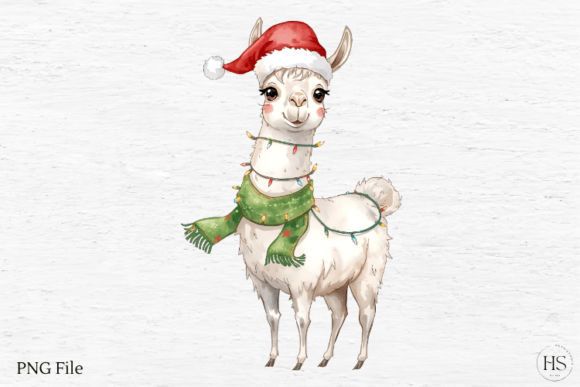
Watercolor Christmas Llama, Baby Llama
When I first opened the file for Watercolor Christmas Llama, Baby Llama, my immediate reaction was less about technical specs and more about the mood it evoked. As a designer who reviews embroidery assets daily for real-world application, I look for that specific spark—a design that feels alive before it even touches the fabric. This illustration captures a whimsical, festive spirit that is incredibly hard to pull off in stitch form without losing its charm. The soft, blended edges typical of watercolor art usually present a nightmare for digitizers, but here, the intent seems clear: this is meant to be a soft, inviting centerpiece for holiday-themed handmade products.
I am evaluating this not just as a pretty picture, but as a viable component for a commercial embroidery project. Whether you are an Etsy seller looking to stock your shop for the Q4 rush or a hobbyist preparing a personalized gift for a niece, the viability of Waterwater Christmas Llama, Baby Llama depends heavily on how well it translates from screen to thread. Let’s break down how this design performs in actual stitching scenarios, where it shines, and where you might need to exercise caution.
The Visual Personality and First Impressions
The core strength of this machine embroidery design lies in its approachable aesthetic. It doesn’t scream for attention with aggressive geometry; instead, it invites the viewer in with gentle curves and a cozy, holiday vibe. For a custom apparel decorator, this means the design works exceptionally well on items intended to feel warm and personal. Think baby onesies, nursery wall hangings, or a soft knit hat for a toddler. The "baby llama" aspect adds a layer of cuteness that resonates deeply with parents and gift-givers, making it a strong candidate for personalized gift markets.
From a layout perspective, the composition feels balanced. It isn’t so dense that it becomes a heavy block of thread, nor so sparse that it looks unfinished. This balance is crucial for maintaining the integrity of the fabric. When I imagine this stitched onto a canvas tote bag design, I see it sitting comfortably on the front panel, perhaps accompanied by minimal text. However, if placed on a delicate sweatshirt embroidery project, the visual weight needs to be considered. The watercolor style suggests a lighter touch, which aligns well with premium garments where you don’t want the embroidery to stiffen the fabric too much.
Real-World Application: Where This Design Thrives
In my experience, designs like Watercolor Christmas Llama, Baby Llama find their best home in categories that prioritize aesthetics over extreme durability. Here is how I see it performing across different product types:
- Holiday Embroidery and Seasonal Decor: This is the sweet spot. A pillow cover featuring this design brings instant festive cheer to a living room. Because these items are decorative and handled gently, the intricate details of the watercolor effect can be appreciated fully without worrying about wear and tear.
- Baby Embroidery Items: Soft fabrics like muslin or fleece pair beautifully with this illustration. The gentle lines mimic the softness associated with baby products. An embroidered blanket or a set of burp cloths would showcase the thread colors effectively, provided the contrast is managed correctly.
- Kitchen Towels and Aprons: For the craft business owner, adding this to kitchen linens is a smart move. The theme fits perfectly with holiday hosting gifts. The design’s clarity remains high on cotton blends, and the festive nature makes it a quick seller at craft fairs or online marketplaces.
- Embroidered Patches: If you plan to create embroidered patches for denim jackets or backpacks, this design offers a nice focal point. The rounded shapes of the llamas allow for clean edge finishing, whether you choose a merrowed edge or a felt backing.
For Etsy sellers and small shop product creators, the versatility of this digital embroidery file is a significant asset. You can use it for both physical goods and printable mockups to preview how it looks on various backgrounds before committing to production. This helps in building customer trust by showing realistic representations of the finished product.
Technical Considerations and Stitch Execution
While the artistic vision is strong, the translation to stitch requires careful planning. The term "watercolor" in embroidery often relies on a mix of fill stitch and subtle running stitch variations to simulate shading. If the stitch density is too high, the design will lose its airy, painted feel and become a rigid blob. Conversely, if it is too light, the background fabric may show through, ruining the illusion of color blending.
Before running this design on your main production runs, you must test it on scrap fabric. Pay close attention to the hoop size limitations. If the design exceeds your machine’s standard hoop, you will need to re-hoop, which risks alignment issues. Additionally, inspect the small details—such as facial features or tiny accessories. In a commercial embroidery context, blurry eyes or indistinct mouths can make a product look cheap. Ensure that the digitizer has used enough satin stitch elements to define key contours.
Another critical factor is the choice of stabilizer. For a design that aims for a soft look, using a heavy-duty cut-away stabilizer might be overkill unless you are working with stretchy knits. A tear-away or wash-away stabilizer might better preserve the fluid aesthetic of the illustrations, especially on woven fabrics like linen or cotton tea towels.
Where to Use Caution
No single design is perfect for every surface. There are specific scenarios where Watercolor Christmas Llama, Baby Llama might struggle:
- Dark Fabrics: Watercolor styles often rely on white or light space to breathe. On dark fabric, the lack of negative space can make the design look muddy unless you use a substantial underlay or white base layer, which changes the hand-feel of the embroidery.
- Textured or Thick Fabrics: Denim, terry cloth, or thick fleece can hide the subtleties of the design. The fine details may get lost in the weave, resulting in a less recognizable image.
- Small Hoop Sizes: Attempting to shrink this design too far down for a cap or a small pocket area will likely result in loss of detail. The "baby" aspect of the llama might disappear entirely if the scale is too small.
- Stretchy Garments: Without proper stabilization, the curves of the llamas might pucker when the garment is worn or washed. Always test on the actual garment fabric if possible.
Final Verdict for Designers and Sellers
Ultimately, Watercolor Christmas Llama, Baby Llama is a charming, commercially viable asset for anyone in the handmade product space. It excels in creating emotional connections with buyers through its cute, festive theme. For the creative entrepreneur, it offers a ready-made solution for holiday collections that requires minimal additional graphic design work.
However, success lies in execution. Do not assume the file is plug-and-play for every situation. Verify the license terms to ensure you are allowed to sell finished items. Check the thread colors recommended by the digitizer against your own inventory. And most importantly, remember that the magic of this embroidery project comes from the quality of your materials and your technique. When done right, this design can elevate a simple tote bag or baby outfit into a memorable, professional-grade piece that customers will love to display or give away.
If you are looking to add a touch of whimsy to your holiday embroidery lineup, this is a strong contender. Just keep the practical tips above in mind, and you will likely find that Watercolor Christmas Llama, Baby Llama becomes one of your best-selling designs this season.