Christmas Tree Clipart and Illustrations Review
As a graphic designer, I spend a significant portion of my week sifting through digital assets. The difference between a design that feels amateurish and one that commands trust often comes down to the quality of the graphic design asset selected for the job. Recently, I was tasked with developing a visual concept for a boutique handmade candle brand launching a limited-edition holiday collection. The client needed visuals that felt warm, artisanal, and ready for both packaging design and social media graphics. This is where I evaluated the potential of a specific Christmas Tree Clipart asset to see if it could hold up under professional scrutiny.
First Impressions: Mood and Visual Style
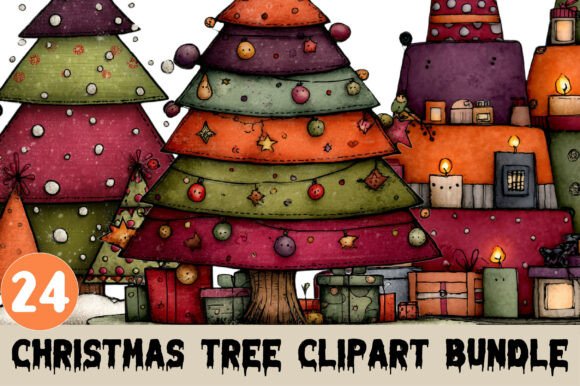
When you first load a clipart file into your workspace, the immediate reaction is about mood. Does this image feel authentic? Is it generic? The Christmas Tree Clipart in question strikes a balance between nostalgic charm and modern cleanliness. It avoids the overly cluttered, chaotic style of some older vector packs, opting instead for a streamlined aesthetic that works well with contemporary branding trends. The lines are crisp, and the negative space is handled intelligently, which is crucial when integrating the element into a larger composition.
This style naturally fits projects that require a touch of whimsy without sacrificing professionalism. For our candle brand, we were aiming for a "modern farmhouse" vibe—clean lines mixed with rustic warmth. This illustration supported that direction perfectly. It didn’t scream for attention but rather acted as a supportive design element that enhanced the overall narrative. It creates an emotional appeal that resonates with audiences looking for cozy, seasonal experiences, making it an excellent choice for small business branding or handmade business campaigns.
Performance in Real Design Situations
The true test of any creative design asset is how it performs across various mediums. In our client project, we needed the tree illustration to function effectively in several distinct contexts:
- Packaging Design: We used the clipart on product labels for small jars. Because the illustration has clear focal points, it remained legible even at a small scale. It added a festive touch without overwhelming the typography, which is critical for maintaining visual hierarchy.
- Social Media Graphics: For Instagram posts and Pinterest pins, we scaled the asset up significantly. The clean edges meant it looked sharp against both solid color backgrounds and textured overlays. It served as a perfect anchor for promotional text, guiding the viewer’s eye to the call-to-action.
- Merchandise and Print-on-Demand: We tested the design on t-shirt mockups and tote bags. The simplicity of the line work translated beautifully to fabric, ensuring that the final product would look polished rather than muddy. This versatility makes it a valuable addition to any design bundle intended for print-on-demand sellers.
- Digital Ads: In smaller banner formats, the asset provided instant context. Users scrolling through feeds recognize the silhouette immediately, increasing engagement rates by reducing cognitive load.
Furthermore, this asset proved useful for editorial design in blog headers and newsletter visuals. It broke up text blocks effectively while reinforcing the seasonal theme. For Etsy product listings, using high-quality illustrations like this can elevate the perceived value of a digital download or physical good, helping sellers compete in crowded marketplaces.
Ideal Use Cases for This Asset
Based on my testing, this Christmas Tree Clipart shines brightest in specific scenarios. It works exceptionally well as a hero graphic for landing pages dedicated to holiday sales. It is also ideal for decorative accents in wedding invitations or event flyers where a festive but elegant tone is desired. For Cricut users and crafters, the clean lines make it suitable for vinyl cutting projects, such as window decals or sticker designs. Additionally, it integrates seamlessly into Canva templates, allowing non-designers to create professional-looking marketing materials quickly.
Areas Requiring Careful Consideration
However, no single asset is universally perfect. There are situations where this illustration should be used with caution. In minimalist branding projects that rely heavily on white space and ultra-thin typography, this clipart might feel too heavy or detailed. If placed in a crowded layout with competing visual elements, it can disrupt the visual hierarchy, causing confusion rather than clarity. It is also less suitable for professional corporate materials that demand a strict, conservative aesthetic. In such cases, a more abstract or geometric representation of seasonal themes might be more appropriate.
Additionally, designers must be mindful of contrast. On low-contrast backgrounds, the details of the clipart may get lost. Always preview the asset on the actual background colors intended for the final project to ensure readability and impact.
Practical Designer Notes for Commercial Use
Before integrating any design asset into a client project, there are technical checks that cannot be skipped. Here is a checklist I recommend for evaluating Christmas Tree Clipart and similar digital products:
- Black and White Test: Convert the asset to grayscale. This reveals whether the shape holds its own weight without relying on color. If it looks weak in black and white, it will likely struggle in monochrome print applications.
- Contrast Check: Place the illustration on both light and dark backgrounds. Ensure that the internal details remain visible and that the outer edges define the shape clearly against the backdrop.
- Scalability Preview: View the asset at 10% and 200% of its original size. A good SVG design or vector should remain crisp at any scale. If pixelation occurs, it is not suitable for large-format printing.
- Mockup Integration: Never judge an asset in isolation. Place it on real-world mockups, such as a coffee cup, a book cover, or a website header. This helps visualize how it interacts with shadows, textures, and lighting.
- Typography Pairing: Experiment with different font styles. This clipart pairs well with serif fonts for a classic look, sans serif fonts for a modern feel, and script fonts for a handwritten, personal touch. Avoid pairing it with overly decorative display fonts that compete for attention.
- File Format Inspection: Verify if the package includes PNG transparency for quick web use and SVG or AI vectors for scalable editing. Transparency is essential for overlaying the design onto complex backgrounds without white boxes.
- Licensing Verification: Most importantly, confirm the commercial license. Ensure that you have the right to use the asset for client work, merchandise production, and unlimited digital distribution. Using unlicensed assets can lead to serious legal issues and financial penalties.
Final Verdict
In conclusion, this Christmas Tree Clipart is a robust and versatile creative design tool. It successfully bridges the gap between festive cheer and professional polish. For designers working on brand identity, marketing visuals, or sublimation design projects, it offers a reliable solution that enhances the visual mood without compromising quality. By conducting thorough tests and respecting licensing agreements, designers can confidently incorporate this asset into their workflow, delivering exceptional results for clients and customers alike. Whether you are creating a sticker design for a local shop or a comprehensive holiday campaign, this illustration proves to be a worthy addition to your toolkit.