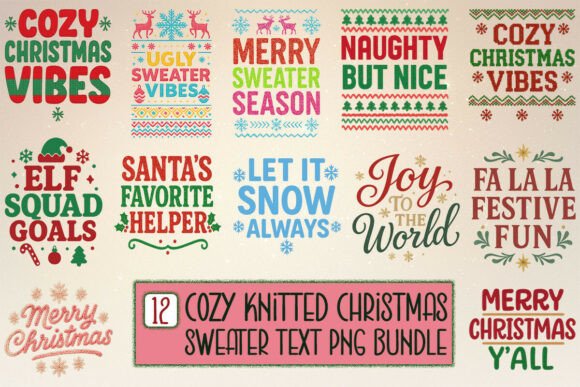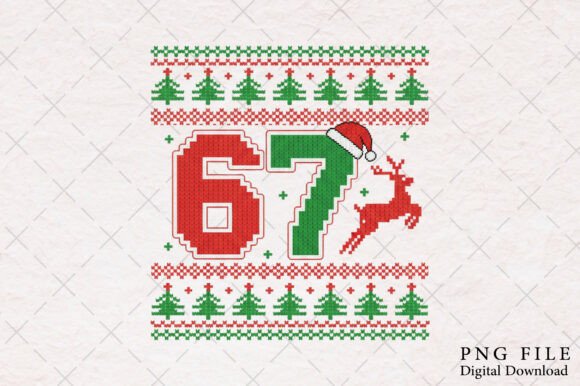
Christmas 67 Png, Christmas Ugly Sweater
As a designer who spends half my life staring at stitch charts and the other half trying to sell handmade goods online, I have learned to be skeptical of digital assets that promise too much. When Christmas 67 Png, Christmas Ugly Sweater landed in my inbox, I didn’t immediately think about profit margins or viral potential. I thought about the needle. I thought about tension. I thought about whether this design would actually hold up when it left my studio and entered the real world.
The term "ugly sweater" has become a cultural shorthand for holiday fun, but translating that concept into a machine embroidery file is tricky. It requires balancing chaos with clarity. After running through several test stitches and visualizing how this machine embroidery design would interact with different fabrics, I am ready to share my honest assessment. This isn’t just about how it looks on a screen; it’s about how it performs as a physical object.
First Impressions: Mood and Visual Personality
The immediate vibe of Christmas 67 Png, Christmas Ugly Sweater is nostalgic yet modern. The illustration style feels like it belongs in a cozy cabin, complete with hot cocoa and crackling fireplaces, but the layout is clean enough for contemporary retail. It doesn’t scream for attention with aggressive neon colors (since we are dealing with a PNG source); instead, it invites the viewer in with a warm, inviting aesthetic.
From a design perspective, the composition strikes a good balance between detail and negative space. For an embroidery file, negative space is your best friend. It allows the eye to rest and prevents the final product from looking cluttered or heavy. The shapes within the design are distinct, which suggests that the digitization likely avoids overly complex overlapping paths that can cause thread breaks or puckering. It feels playful without being childish, making it versatile for a wide range of audiences.
Real-World Application: Where This Design Shines
I always ask myself one question before committing to a design: what is the end use? Christmas 67 Png, Christmas Ugly Sweater is incredibly adaptable, but some applications will yield better results than others. Here is where I see this design excelling in actual production runs.
- Sweatshirt Embroidery: This is the most obvious choice. The thick cotton fleece of a crewneck sweatshirt provides a stable canvas that can handle moderate stitch density. The texture of the fabric complements the "cozy" theme of the illustration perfectly.
- Tote Bag Design: Canvas totes are a staple for craft fairs and Etsy sellers. Using this design on a natural or black canvas tote creates a striking contrast. It serves as both a functional item and a walking advertisement for your brand.
- Baby Embroidery: Small onesies or burp cloths benefit from the soft, approachable nature of this artwork. Parents love personalized gifts, and this design offers a festive touch that feels safe and sweet for infants.
- Holiday Embroidery Accessories: Think tea towels, aprons, and pillow covers. These items are often used in the kitchen or living room during the holidays, keeping the design visible and relevant for weeks after Christmas.
For the Etsy seller or small shop product owner, versatility is key. Being able to offer this same design across multiple product types—apparel, home decor, and accessories—maximizes your return on investment for the digital asset.
Technical Considerations and Stitch Clarity
While the visual appeal is strong, the true test lies in the execution. When evaluating any digital embroidery file, you must consider how the stitches translate from pixels to thread.
The design appears to rely heavily on fill stitch areas to create solid blocks of color, which helps in defining the main shapes. However, if there are intricate details or small text elements, these require careful scrutiny. In my experience, designs that attempt to cram too much detail into a small area often result in a muddy appearance once stitched. If Christmas 67 Png, Christmas Ugly Sweater includes fine lines or tiny graphical accents, they may need to be simplified or enlarged to maintain clarity.
Stitch density is another critical factor. A high-density design can make a garment stiff and uncomfortable, especially on delicate fabrics. Conversely, a low-density design might not cover the base fabric completely, leading to a patchy look. You want to find that sweet spot where the design looks substantial but remains flexible and wearable.
Additionally, consider the thread colors. Since you are starting with a PNG, you have full control over the color palette you choose for your threads. I recommend testing a few variations. A classic red and green combination will lean traditional, while a navy and gold scheme might feel more sophisticated. Don’t be afraid to experiment with metallic threads for accent details to add a touch of luxury to your handmade product.
Where to Exercise Caution
No design is perfect for every situation. There are specific scenarios where Christmas 67 Png, Christmas Ugly Sweater might struggle, and it is important to know these limitations to avoid customer dissatisfaction.
- Small Hoop Sizes: If you plan to embroider this on a very small area, such as a child’s hat brim or a tiny pocket, ensure the design scales down well. Details can get lost, and the overall shape might become distorted.
- Textured or Stretchy Fabrics: Knits, jerseys, and highly textured materials can distort the design during stitching. Always use a proper stabilizer and consider cutting away excess stabilizer after stitching to reduce bulk.
- Dense Stitch Areas: Avoid placing this design on garments that require frequent washing and heavy wear, such as workwear, unless you are confident in the durability of the stitching. Over time, dense embroidery can fray if not properly secured.
- Curved Surfaces: While caps and hats are popular products, embroidering a flat design onto a curved surface requires advanced techniques to prevent distortion. Test thoroughly before scaling up production.
Practical Designer Notes for Success
Before you rush to produce hundreds of units, take a step back and follow these practical steps to ensure quality.
Test on Scrap Fabric: Never assume a design will work perfectly on your final material. Use scraps of the exact fabric you plan to sell. This reveals issues with puckering, tension, or color contrast that you won’t see on a computer screen.
Check Black and White Mockups: Convert your design to grayscale. This helps you evaluate the contrast and readability of the shapes without the distraction of color. If the design lacks definition in black and white, it might struggle in embroidery.
Inspect Small Details: Zoom in on the original PNG. Are there tiny elements that might disappear when stitched? If so, consider simplifying the design in your digitizing software or removing those elements entirely.
Confirm Licensing: As a commercial embroidery practitioner, you must ensure you have the right to sell finished items made from this design. Check the license terms carefully. Some licenses allow personal use only, while others permit commercial sales with attribution. Ignoring this step can lead to serious legal issues.
Final Verdict
Christmas 67 Png, Christmas Ugly Sweater is a solid addition to any designer’s library. It captures the spirit of the season with a modern twist, offering enough flexibility to be used on a variety of products. Its strengths lie in its clear composition and broad appeal, making it a safe bet for personalized gifts and craft business inventory.
However, success depends on your execution. By paying attention to fabric choice, stabilizer usage, and stitch quality, you can transform this digital illustration into a tangible, desirable finished product. It is not a magic bullet, but with careful planning and professional technique, it can definitely help elevate your brand and engage your customers. Just remember: the design is only as good as the hands that stitch it.